Repeat guests are your best customers
Winning a new customer takes marketing, discounts and luck. A guest who has already eaten with you and enjoyed it needs far less persuasion to come back. For most independent restaurants, regulars make up a big share of steady revenue, which makes loyalty a practical goal and not just a nice idea.
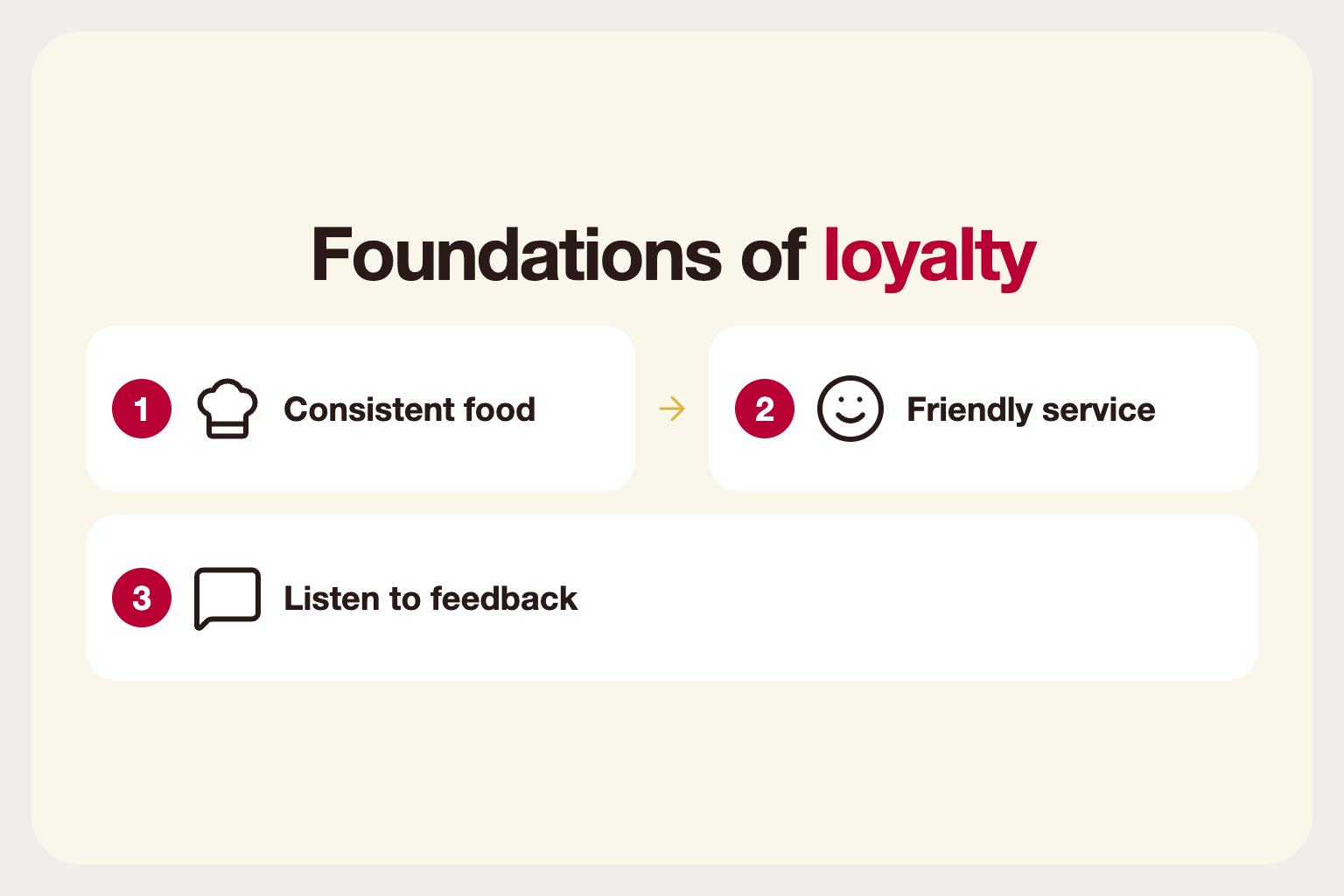
The good news is that most of what builds loyalty is simple: consistent food, friendly service and a reason to return.
Get the basics right first
No loyalty scheme can rescue slow service or inconsistent dishes. Before adding any rewards, make sure guests have a good experience every time. A reliable kitchen and a team that remembers people is the foundation.
Ask for feedback and act on it. A short question at the end of a visit tells you more than any dashboard, and guests notice when you listen.
Capture contact details with permission
You cannot invite someone back if you do not know who they are. Collect a name and an email or phone number when guests book, order online or join a rewards list, and always say what you will use it for. Only message people who have agreed to hear from you.
Keep messages useful and occasional: a new menu, a seasonal special or a thank you. A list people are glad to be on is worth far more than a big one they ignore.
Offer rewards that feel worth it
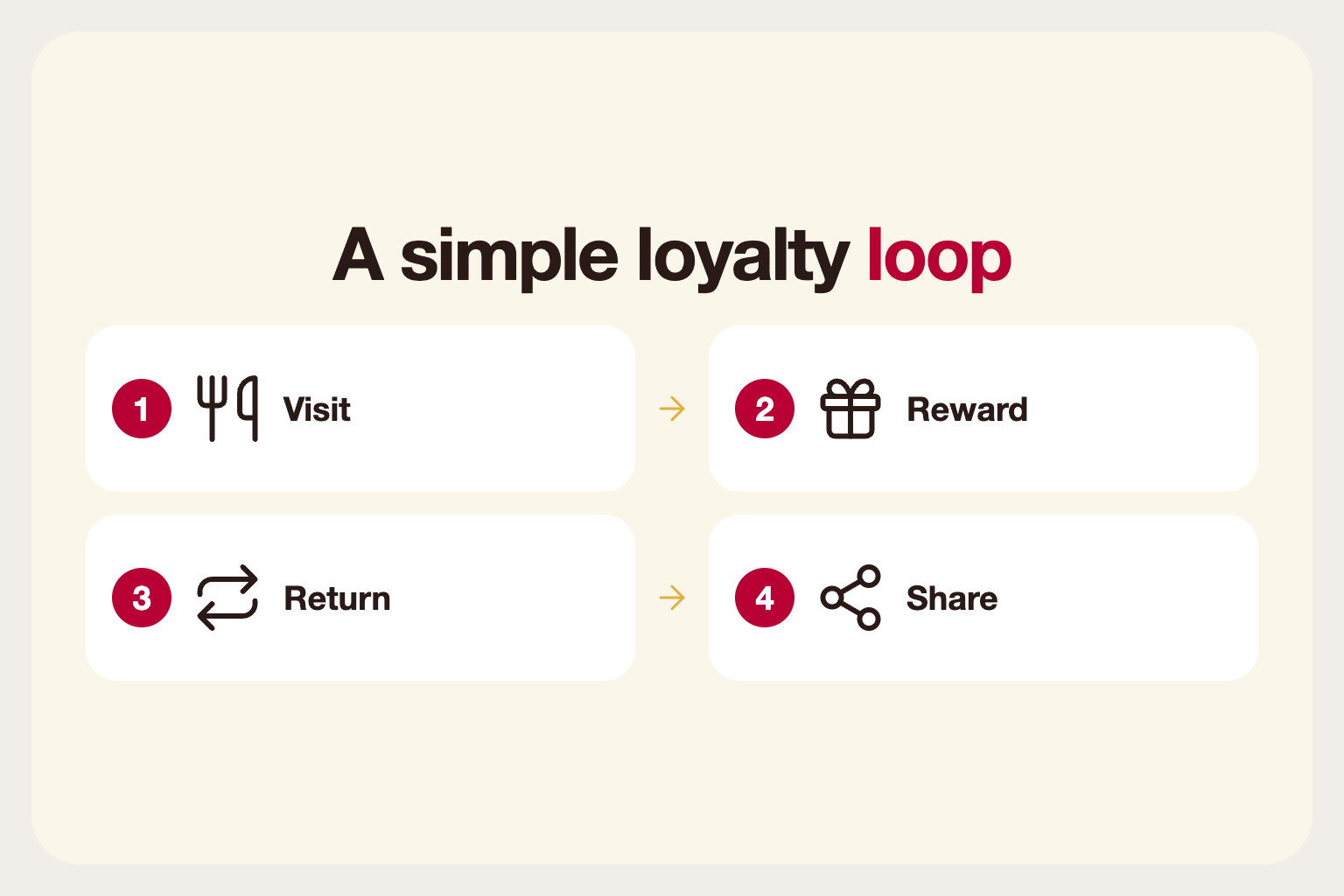
A reward should be simple to understand and visible. A free coffee after a few visits, a small credit for ordering direct or an early invitation to a new menu all work. Complex points systems that need a calculator tend to be ignored.
Make sure the reward costs you less than the visit it brings. Start small, watch what guests respond to and adjust.
Recognise your regulars
Little things matter. Remembering a name, a favourite table or a usual order makes guests feel known. Notes on a guest profile such as allergies, birthdays and preferences let any team member give that personal touch, not just the one who has worked there longest.
Treat private information with care, collect only what you need and keep it secure.
Make ordering and booking effortless
Convenience builds loyalty quietly. If a guest can reorder a favourite in a few taps, book a table from their phone or pay at the table without waiting, they have fewer reasons to try somewhere else. Friction is the enemy of repeat business.
Look at your own journey as a customer: from finding you online to paying the bill. Every step that feels slow is a place to improve.
Use special occasions
Birthdays, anniversaries and local events are natural reasons to visit. Ask for occasions when guests book, and make a small gesture: a candle on a dessert, a handwritten note or a table by the window. These moments are what guests tell their friends about.
Seasonal menus and limited specials also give regulars a reason to return and something new to try.
Keep promises and be consistent
Loyalty is trust built over many visits. If your reward programme says a free coffee after five visits, deliver it without argument. If your menu says a dish is gluten free, make sure it is. Broken promises undo months of goodwill in a single evening.
Make sure everyone on the team knows the offers and the rules, so guests get the same answer from whoever they ask.
A simple loyalty plan you can start this month
You do not need a large programme to begin. Start by choosing one reward that costs little and means something: a free coffee after five visits, a dessert on the tenth, or a small gift on a birthday. Tell guests about it at the table and on the receipt so they know it exists.
Make joining easy. A guest should be able to sign up in under thirty seconds, either at the till or by scanning a code, with a clear explanation of what they will receive and how often you will contact them. Ask only for what you need, usually a name and an email address or phone number, and always ask permission before sending marketing.
Then keep your promise. Send the reward on time, and make redeeming it effortless. After three months, look at how many members returned compared with non-members, and how much more they spend on average. If the numbers justify it, widen the programme. If not, adjust the reward, not the idea.
Win back guests who have drifted away
Every restaurant has guests who visited three or four times and then stopped coming. They liked you once, and often the reason they left is simply that life got busy. A friendly, well-timed message can bring many of them back.
Pick a rule that defines a lapsed guest, for example nobody who has visited in the last ninety days but had at least two visits before that. Send a short, personal message that mentions something that has changed: a new dish, a seasonal menu or a refreshed dining room. Include a modest reason to return, such as a free starter or a drink, and set an end date.
Do not send the same message to everyone every month, or it becomes noise. Send it once, measure how many returned, and learn from the result. A win-back message that reaches the right person at the right time is one of the cheapest ways to add covers.
Loyalty without a points card
Not every restaurant needs a formal scheme. For many, loyalty is simply remembering people. Keep a short note on regular guests: their usual table, a dish they love, an allergy, the name of a child or a birthday. A server who says "The usual window table?" does more for loyalty than a punch card.
Make the notes easy to share, so that any team member can use them and the knowledge does not disappear when one person leaves. Handle personal details carefully and only record what guests would be happy for you to know. Small, genuine acts of recognition build the kind of loyalty that discounts cannot buy.
Measure whether it is working
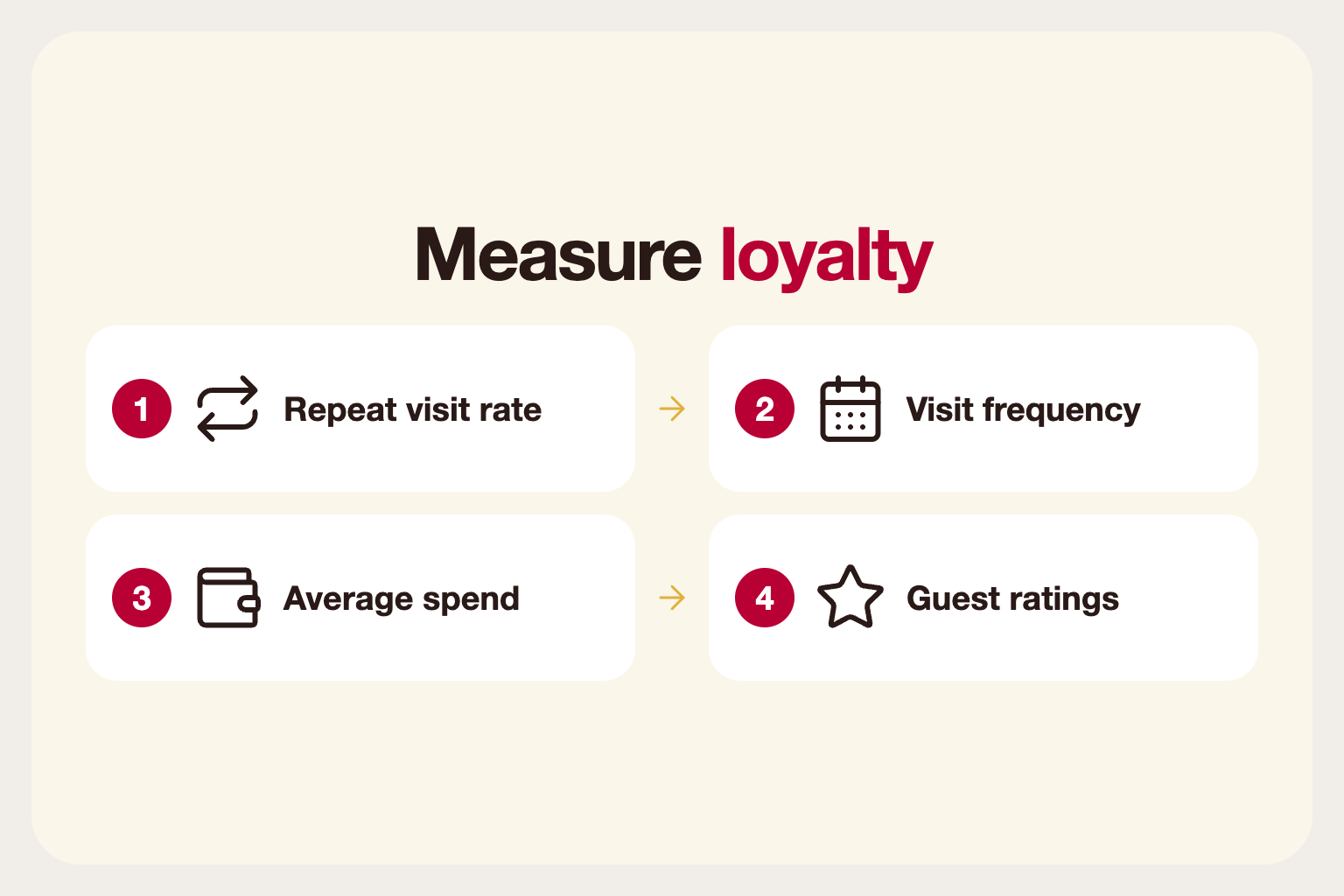
Track how many guests come back, how often and how much they spend. If repeat visits rise after a change, keep it. If not, try something else. Loyalty is built over months, so judge it over a similar span, not week to week.
Keep it simple and keep going. A steady, genuine effort to be worth returning to is the best loyalty programme there is.