 Dineator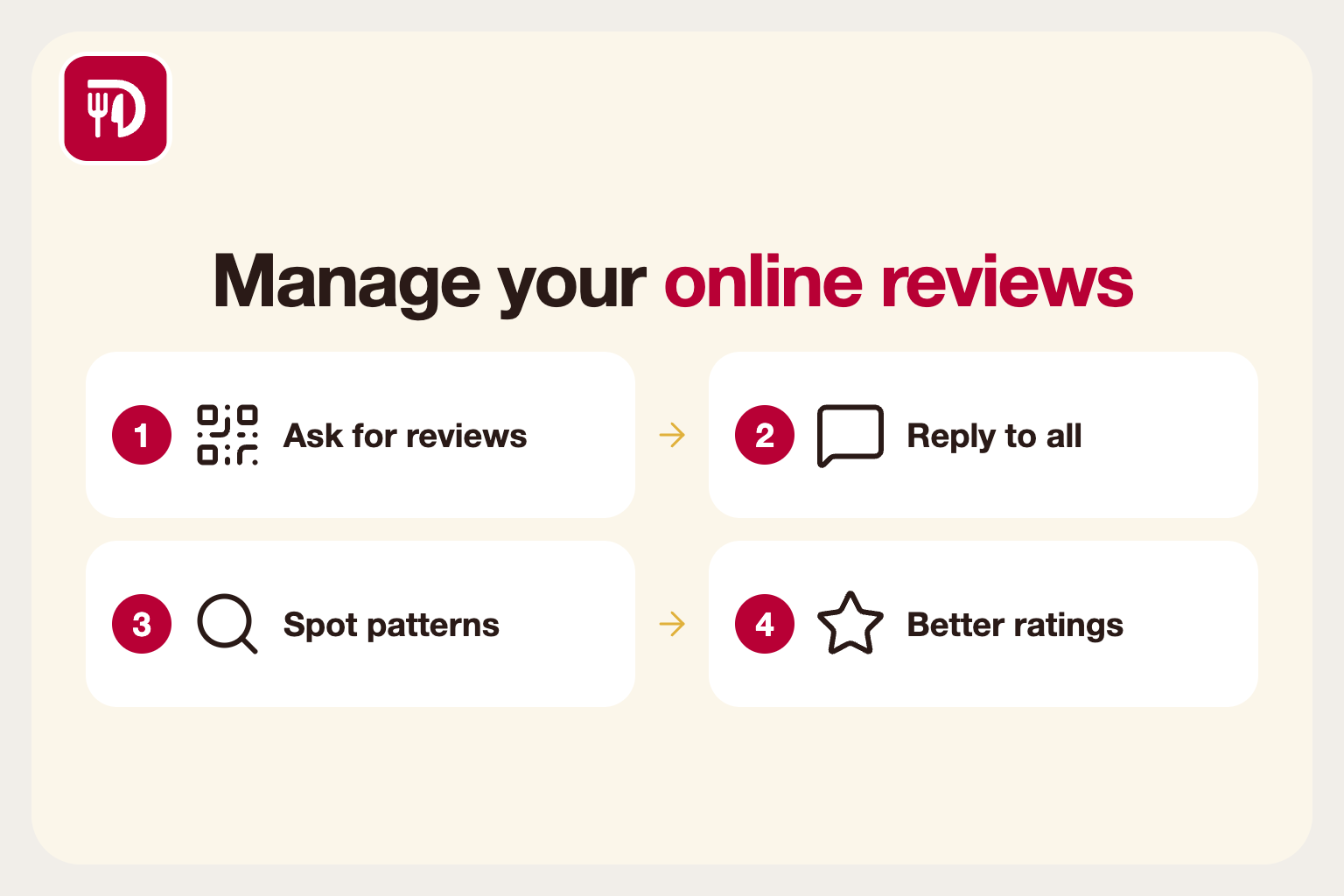
Reviews are your shop window
Before visiting a new restaurant, most people check its reviews. Those few stars and a handful of comments shape whether they book at all. You cannot control what guests write, but you can influence how many reviews you get and how you respond.
A steady, honest reputation is built the same way as a steady kitchen: a little attention every day.
Make it easy to leave a review
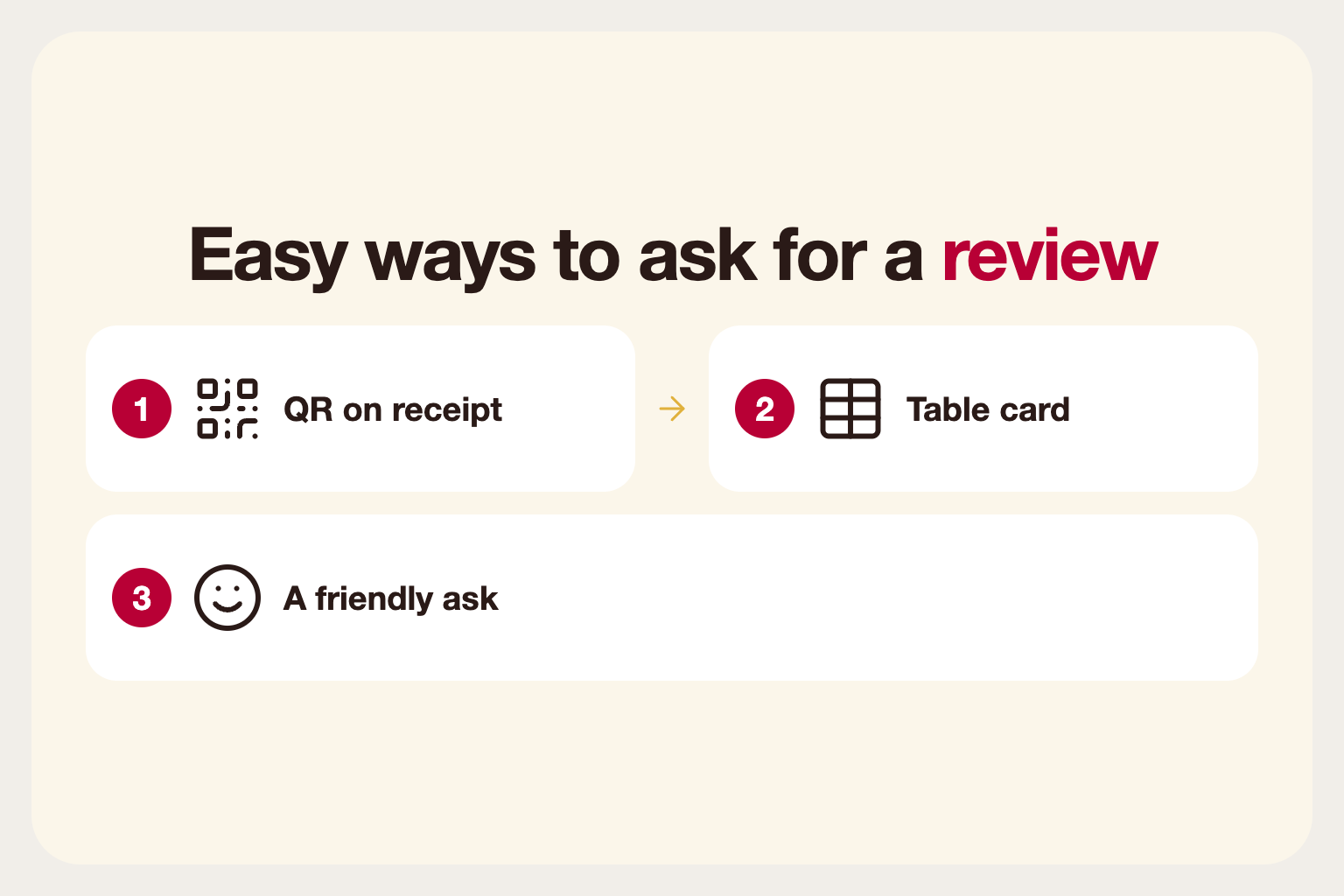
Happy guests rarely think to review unless asked. Make it simple with a link or QR code on receipts and table cards, and mention it when a guest says they enjoyed the meal. Ask in person if the moment feels right.
Never offer payment or discounts in exchange for positive reviews. It breaks the rules of most review platforms and can damage trust if discovered.
Respond to every review
Reply to good reviews with a short, personal thank you. Reply to bad ones calmly, without defensiveness. Other readers judge you more on how you respond than on the complaint itself.
Reply soon. A response within a day or two shows you are paying attention.
Handle criticism well
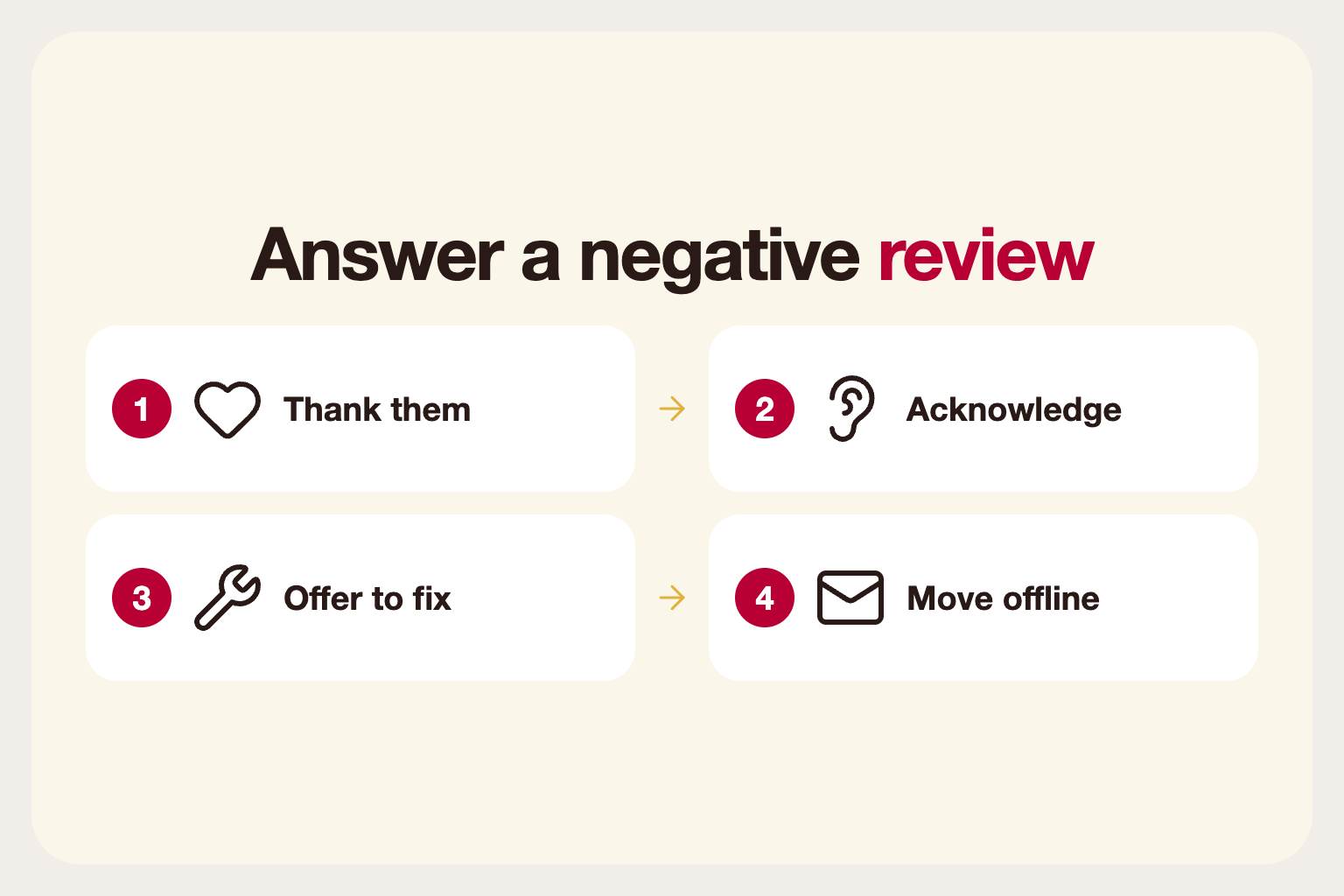
Start by thanking the guest and acknowledging the problem. Offer to put it right and invite them to contact you directly. Keep it factual and polite, and avoid arguing about the details in public.
Do not ignore fair complaints. If the same issue appears in several reviews, it is a message about the business, not about one unhappy guest.
Learn from the patterns
Read your reviews together as a group. Common praise tells you what to protect and promote. Common complaints tell you what to fix first. Share both with the team so the feedback reaches the people who can act on it.
Keep your listing accurate too: hours, menu and photos. Many bad reviews come from mismatched expectations.
Know which platforms matter
You do not need to be everywhere. Find out where your guests actually look: Google, a delivery marketplace, social media or a local guide. Focus on the two or three that matter most to your restaurant and keep those listings accurate and active.
Claim your profiles, add good photos and keep hours and menus up to date. A complete listing is the first impression for many guests.
Turn feedback into action
Reviews are free market research. If guests praise a dish, feature it. If they mention slow service on weekends, look at your staffing. Share a short summary with the team each month so everyone sees what guests are saying.
When you fix something because of a review, say so in your reply. It shows that you listen, and it encourages others to give feedback.
Spot and handle unfair reviews
Occasionally a review is untrue, abusive or about a different restaurant. Most platforms let you report these. Do it calmly, with specifics, and do not argue in public.
A single unfair review rarely does lasting damage when it sits among many honest ones. A healthy stream of genuine feedback is the best protection.
Keep a routine
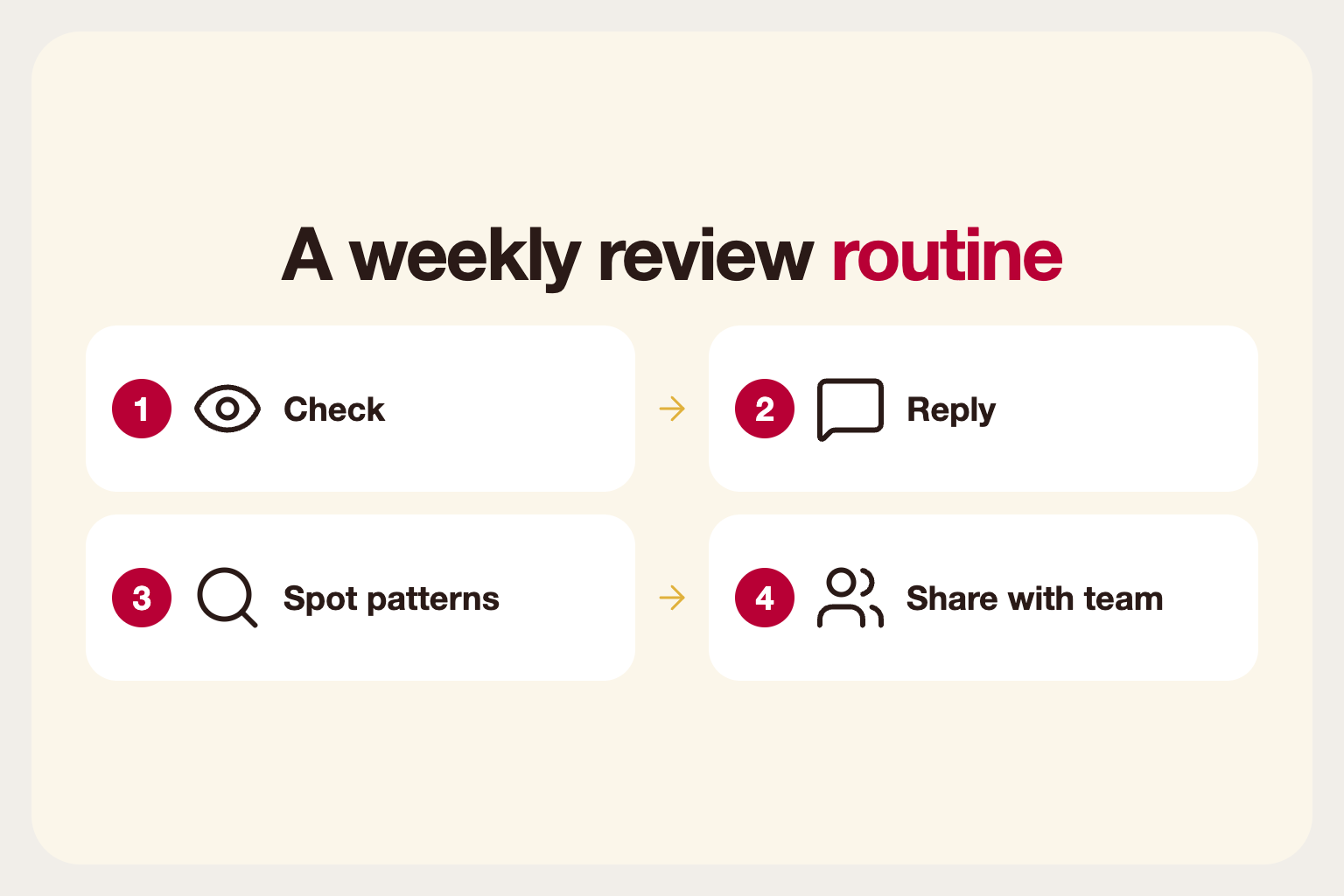
Set a time each week to check and reply to reviews across the platforms that matter to you. Assign it to a named person so it does not slip. Consistency matters more than perfection.
Over months, a steady stream of recent, honest reviews with thoughtful replies is one of the most effective forms of marketing a restaurant can have.