 Dineator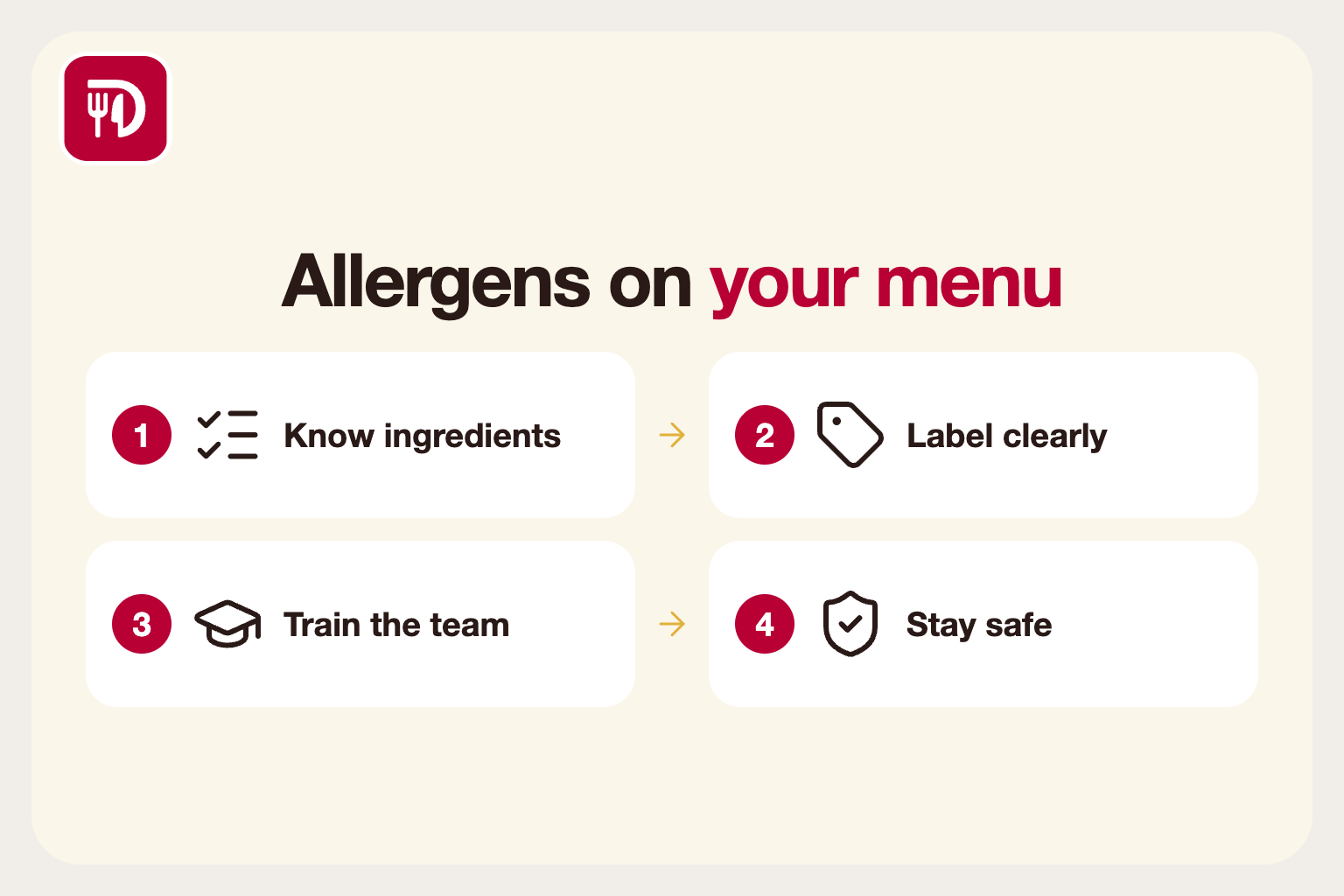
Why allergen information matters
For guests with allergies, a menu is not just a list of dishes; it is a safety document. Clear information helps them choose with confidence, and it helps your team avoid mistakes that can cause serious harm. It also builds trust with every guest who has dietary needs.
The rules about what you must disclose differ by country, so check the requirements where you operate. This post covers good practice, not legal advice.
Know what is in every dish
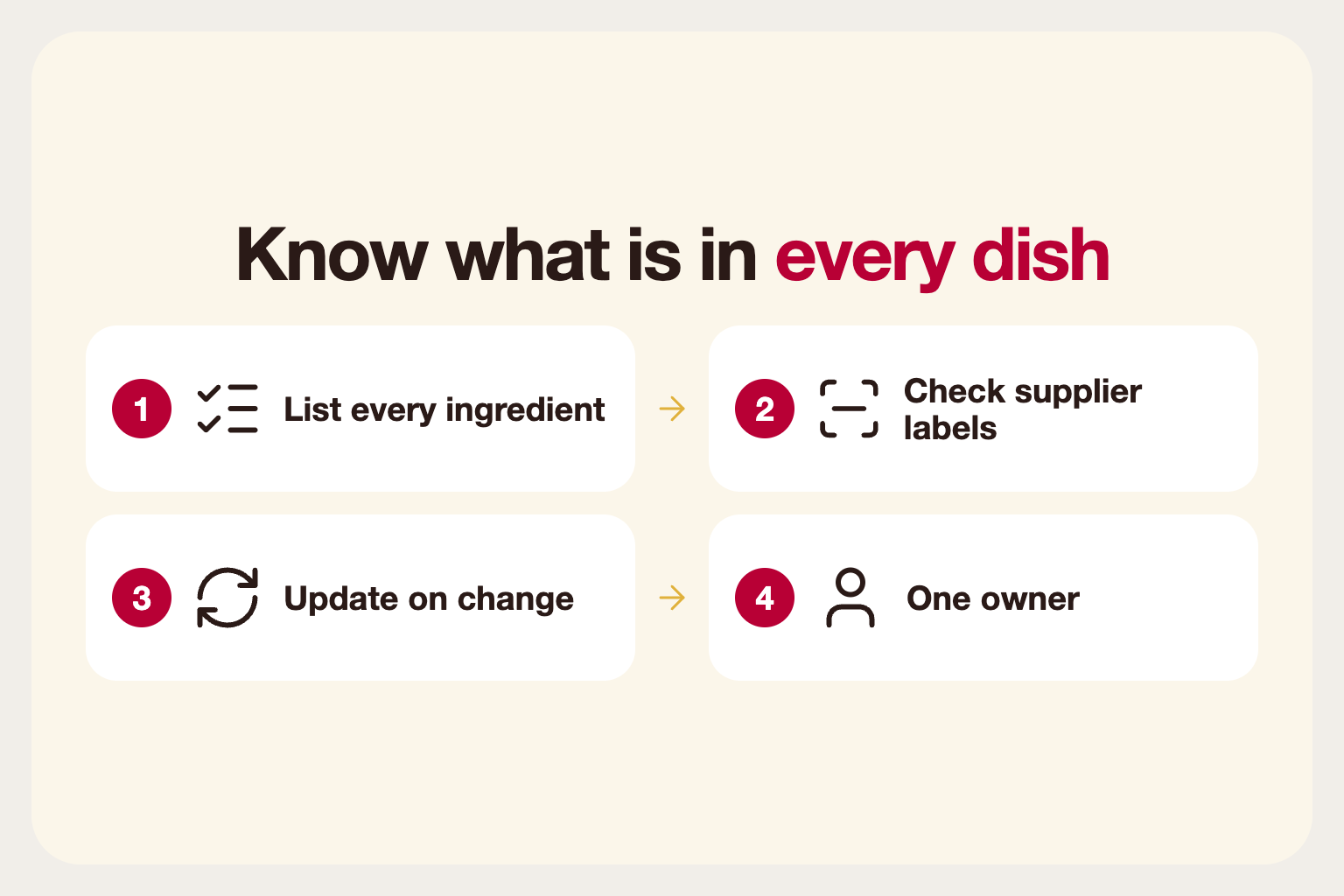
You cannot share what you do not know. Keep a recipe record for every dish listing all ingredients, including sauces, stocks, oils and garnishes. Check supplier labels, because ingredients and suppliers change.
Update the record whenever a recipe or a supplier changes, and make one person responsible for keeping it correct.
Show it clearly on the menu
Use simple, consistent labels or icons for the major allergens and common dietary needs such as vegetarian, vegan and gluten free. Explain the key once on the menu, and place the labels next to each dish so guests do not have to hunt.
A digital menu makes this easier, because labels can be updated instantly and guests can filter for what suits them.
Be honest about cross-contact
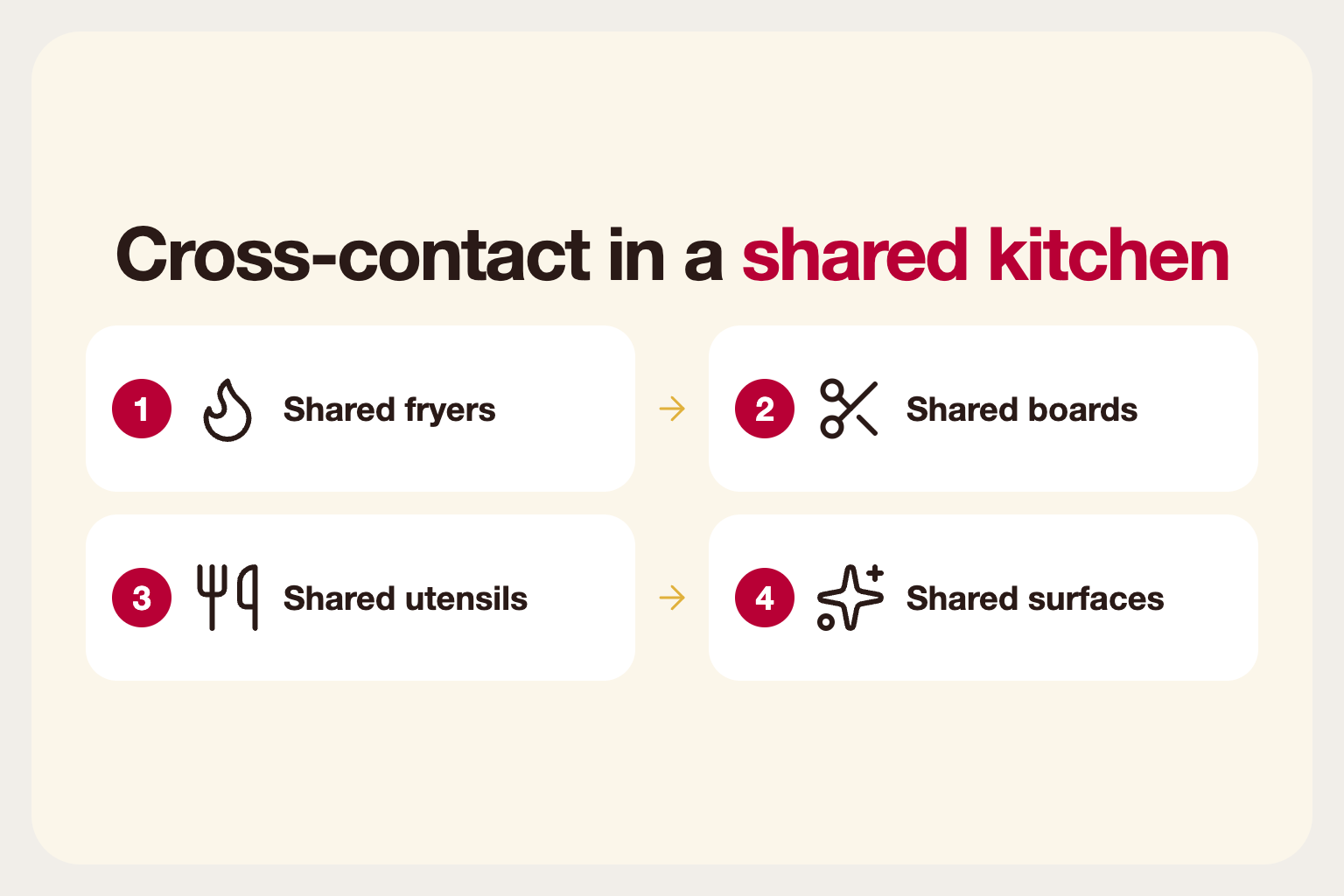
Even a dish without an allergen as an ingredient can pick it up in a shared kitchen. If you cannot guarantee separation, say so. Honest wording such as "prepared in a kitchen that handles nuts" lets guests decide for themselves.
Never promise what you cannot deliver. A careless claim is far worse than a cautious one.
Train every team member
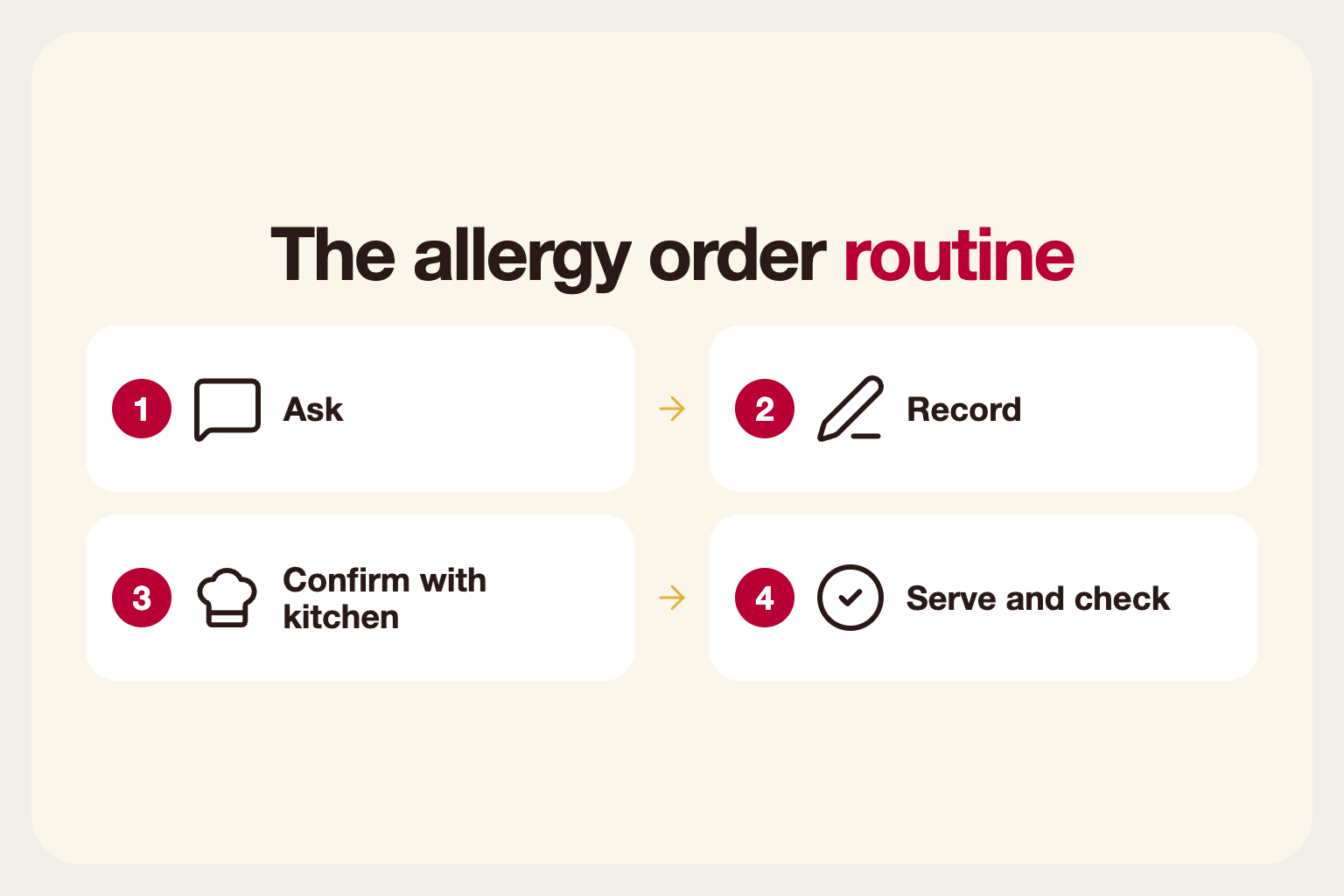
Everyone who takes an order or serves food should know how to handle an allergy request: ask clearly, record it on the order, pass it to the kitchen and check it again at the table. Never guess, and never say "it should be fine".
Run a short refresher regularly, and brief new staff before their first shift on the floor.
Make the kitchen part of the process
An allergy note needs to reach the person cooking the dish, in a place they cannot miss. Notes on the order itself, shown on a kitchen display or ticket, are safer than a word shouted across the pass.
Use separate utensils, clean surfaces and a clear process for allergy orders, and have the person who plated the dish hand it over directly.
Keep information current
Menus change, suppliers change and so do recipes. Review allergen information whenever a dish changes, and at least every few months. Out-of-date information is a hidden risk.
If you update your digital menu, make sure printed copies are replaced too.
Take care with online and third-party menus
Your menu appears in more than one place: your own ordering page, delivery marketplaces and printed copies. Make sure allergen information is consistent everywhere, and update every copy when something changes.
If a platform cannot show the information properly, add a line directing guests to contact the restaurant before ordering.
Handle substitutions with care
A swap that looks harmless, such as a different sauce or a changed side, can introduce an allergen. Train staff to check every substitution against the allergen record before agreeing to it.
When in doubt, say so and offer a safe alternative rather than guessing.
Invite guests to speak up
Add a line to the menu inviting guests to tell staff about allergies and dietary needs. Staff should welcome the conversation, not treat it as a nuisance. Guests who feel safe are guests who return.
Keep a routine: ask, record, confirm, serve, check.